





















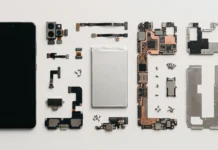



The Fairphone 6+ has officially launched in the United States, priced at $649 and marking the company’s first direct-to-consumer offering in the region. Unlike previous iterations that required third-party distributors, this model arrives with a hardware profile specifically tailored for the North American market, including optimized support for AT&T and T-Mobile networks.
The core proposition of the Fairphone 6+ is longevity rather than peak performance. While most mid-range devices are designed for a two-to-three-year lifecycle, Fairphone has committed to software and security updates through June 2033. When combined with a five-year hardware warranty, the device is positioned as an investment for users willing to prioritize repairability over the annual upgrade cycle.
Modular Internals and Repairability
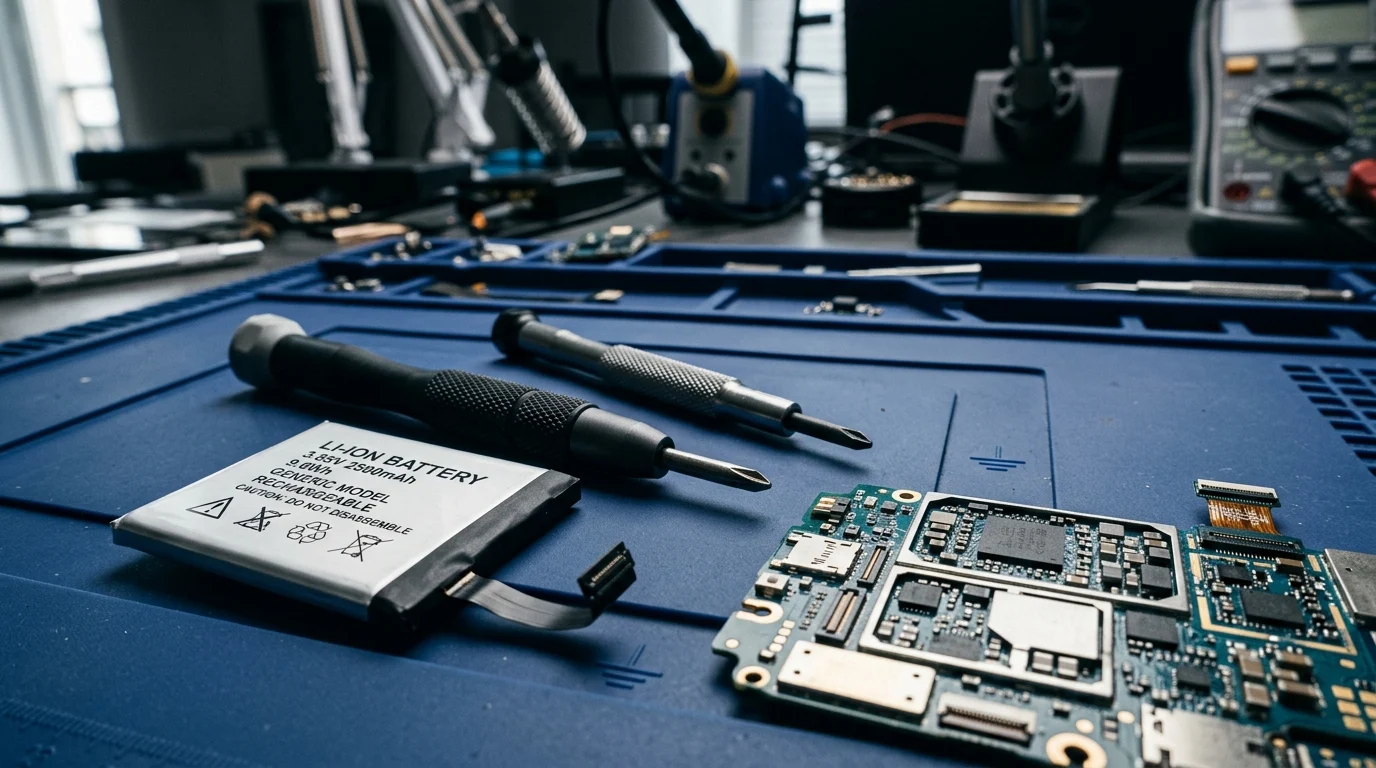
The device maintains the brand’s signature modular architecture, featuring 12 user-replaceable components. This includes the battery, screen, and USB-C port, all of which can be swapped in under five minutes using a standard Torx T5 screwdriver. This level of accessibility is a stark contrast to the sealed designs of the Google Pixel A-series or the base iPhone models, which typically require professional service for similar repairs.
However, the modular design necessitates some compromises in environmental protection. The Fairphone 6+ carries an IP55 rating for dust and water resistance. While sufficient for light splashes and rain, it falls short of the IP67 or IP68 ratings found on competing $600 handsets, which can survive full submersion.
Performance vs. Long-Term Value
Under the hood, the Fairphone 6+ utilizes the Snapdragon 7s Gen 4 processor. This is paired with a significant RAM increase to 12GB, up from the 8GB found in the standard Fairphone 6 released in other territories. While the Snapdragon 7s Gen 4 is a capable mid-range chip, it does not match the raw processing power of the silicon found in flagship-tier devices at similar price points.
The value for the consumer depends largely on the math of ownership. At $649, the cost-per-year over its supported nine-year lifespan (ending in 2033) is approximately $72. For buyers who find themselves replacing $400 “budget” phones every two years due to cracked screens or dying batteries, the upfront cost of the Fairphone 6+ may be offset by its inherent durability and ease of maintenance.
The device also introduces a physical hardware switch for a “minimalist mode.” This toggle allows users to instantly strip back the software interface to essential functions, intended to reduce digital distractions without requiring deep menu navigation.
Carrier Compatibility and US Availability
Fairphone has confirmed that the 6+ is optimized for the bands used by T-Mobile and AT&T. While it may function on other networks, those two providers offer the most consistent coverage for the device’s 5G capabilities. The move to direct sales in the U.S. also corrects a price discrepancy seen in previous years; the standard Fairphone 6 initially reached the U.S. through importers at nearly $900, making the $649 direct price for the improved “Plus” model a more competitive entry point for the brand.

