
















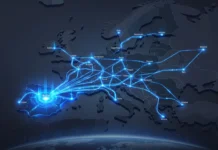


On September 30, 2026, five of Europe’s largest regional payment providers officially established the European Network for Payments (ENP), a joint entity designed to unify the continent’s fragmented digital payment landscape. Headquartered in Madrid, the ENP acts as an interoperability hub, connecting major national systems to allow cross-border transactions without relying on US-based card networks.
The founding members of the ENP include Bancomat (Italy), Bizum (Spain), the European Payments Initiative (EPI/Wero, Belgium), SIBS-MB WAY (Portugal), and Vipps MobilePay (Nordics). Collectively, these groups serve approximately 130 million users across 13 countries, representing roughly 70% of the population in the EU and Norway.

Connecting Regional Giants
The formation of the European Network for Payments marks a shift from building a singular new consumer app to creating a technical “bridge” between existing national champions. By stitching together platforms that already dominate their local markets—such as Spain’s Bizum or Italy’s Bancomat—the initiative aims to achieve immediate scale.
This “network of networks” approach allows a user of one domestic app to theoretically pay a merchant or individual using a different domestic system in another country. The initiative seeks to challenge the long-standing dominance of Visa and Mastercard, which processed approximately 47% of all card payment value in the eurozone in 2025.
The Adoption Gap: Users vs. Volume
While the ENP boasts a massive combined user base, transaction data suggests the network is in its early stages of market penetration. Analysis from late 2026 indicates that Wero, the consumer-facing digital wallet of the European Payments Initiative, currently accounts for less than 1% of the total payment volume in the European Union.
Closing this gap requires moving beyond peer-to-peer (P2P) transfers and into the high-volume retail sector. As of mid-September 2026, Wero reached 59 million registered users, bolstered by successful migrations in specific regions.
Roadmap for 2027 and Beyond
A critical milestone for the network involves the rebranding and integration of established domestic brands. In the Netherlands, the popular iDEAL payment system began a phased transition to “iDEAL | Wero” during 2026, with a full transition expected by 2027. According to Reuters, this consolidation is part of a broader strategy to ensure brand recognition as the network expands its reach.
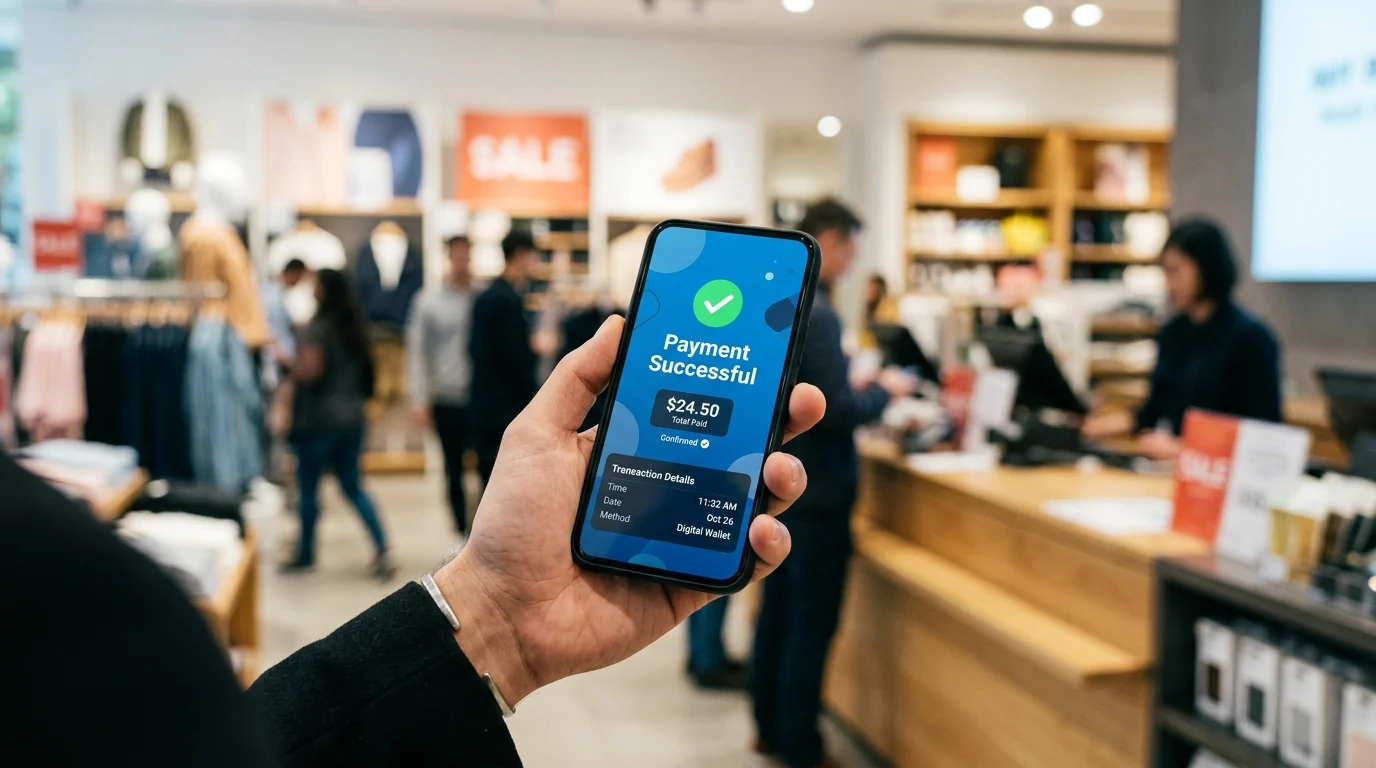
The next major hurdle for the ENP is the widespread implementation of point-of-sale (POS) in-store payments. While P2P and e-commerce functionalities are currently live across several participating systems, a broader rollout for physical retail payments is slated for 2027. This expansion into physical storefronts is considered essential for the network to compete directly with the “tap-to-pay” convenience offered by established global card rails.

