





Via a press statement, Apple ended the Newton personal digital assistant (PDA) 25 years ago today, refocusing the business on the Mac.
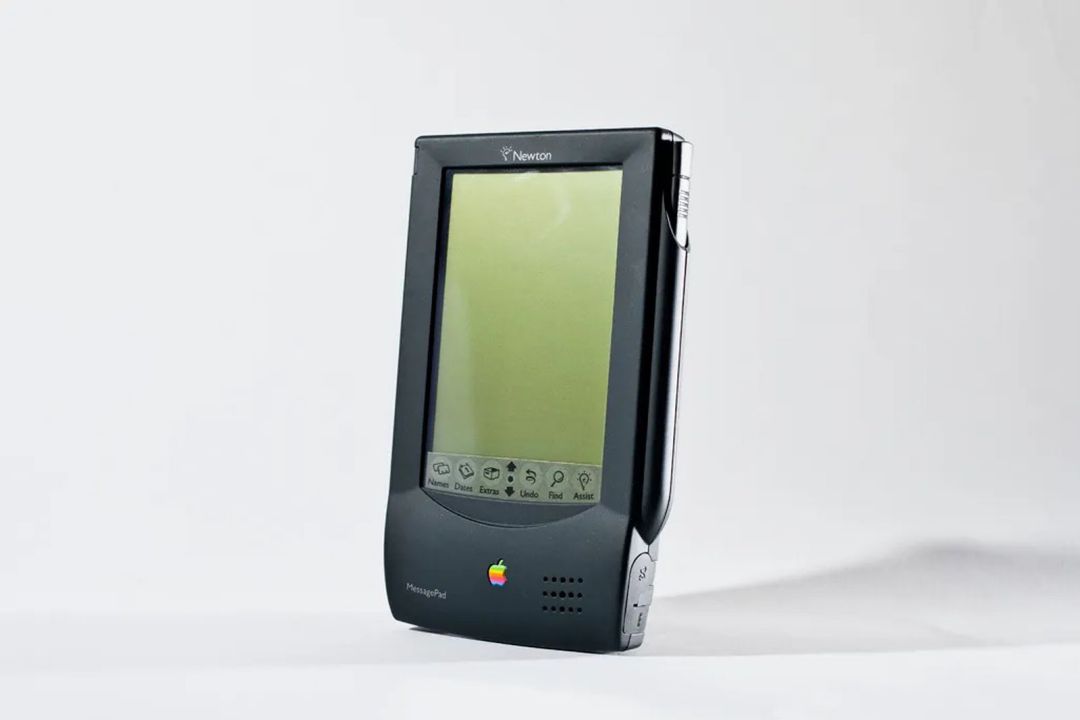
Newton was the first PDA to feature handwriting recognition, ran Newton OS, and had a pen. The gadget could transmit faxes, manage calendars, record contacts, and take notes. It was a prototype for later portable Apple devices like the iPhone and iPad. The second-generation model was even the company’s first significant product developed by Sir Jony Ive.
Apple invested $100 million in the creation of the Newton, beginning work on it in 1987 and releasing the first devices in August 1993. On February 27, 1998, production was formally completed. Less than a year after his return to the company in 1997, Steve Jobs decided to stop producing Newton. The following is taken from the initial press statement announcing the device’s retirement:
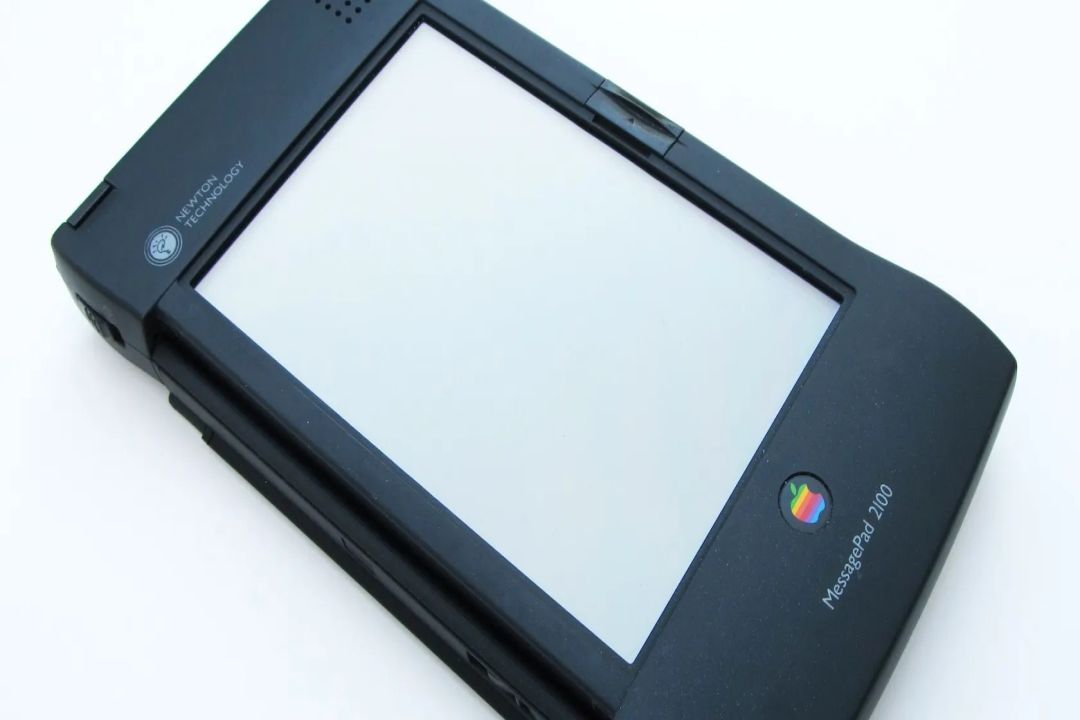
The Newton operating system and its associated products, such as the MessagePad 2100 and eMate 300, will no longer be developed by Apple Computer, Inc.
Apple’s interim CEO Steve Jobs said, “this decision is consistent with our objective to focus all of our software development efforts on extending the Macintosh operating system.” “We must direct all our efforts in one direction to accomplish our lofty goals.”
Apple provided Mac OS-based solutions for this market in 1999 as part of their commitment to providing accessible mobile computing, which was made possible by eMate.
Apple will keep supporting its installed user base while marketing and selling its current stock of MessagePad 2100 and eMate 300 PCs. To guarantee a smooth transition to Mac OS-based products, the company is dedicated to collaborating with its users and developers.
With the Apple II, Apple Computer, Inc. launched the personal computer revolution in the 1970s. The Macintosh completely redefined the personal computer in the 1980s. In more than 140 countries worldwide, Apple is once again dedicated to its original objective of providing the greatest personal computing devices and support to students, educators, designers, scientists, engineers, businesspeople, and consumers.
When Newton first launched, it had trouble turning handwritten notes into text, which resulted in unfavorable reviews and media mockery. Although the handwriting recognition feature was much enhanced with the March 1996 release of Newton OS 2.0, Newton’s original unfavorable reviews continued to overshadow the product, forcing its final termination. Two hundred thousand were reportedly never sold.

