
















The Israel Defense Forces (IDF) issued a formal 10-page rebuttal on October 1, 2026, following the international screening of NAZA, a documentary featuring anonymous testimony from military and intelligence insiders. The film, which explores internal targeting protocols and the use of artificial intelligence in Gaza, has become a focal point of debate regarding the military’s definition of “acceptable” civilian harm.
Directed by Israeli filmmakers Yuval Abraham and Rachel Szor, NAZA takes its title from the Hebrew acronym Nezek Agavi, which translates to “collateral damage.” The documentary was recently awarded the Special Jury Prize at the 83rd Venice International Film Festival, where it reportedly received a 25-minute standing ovation.
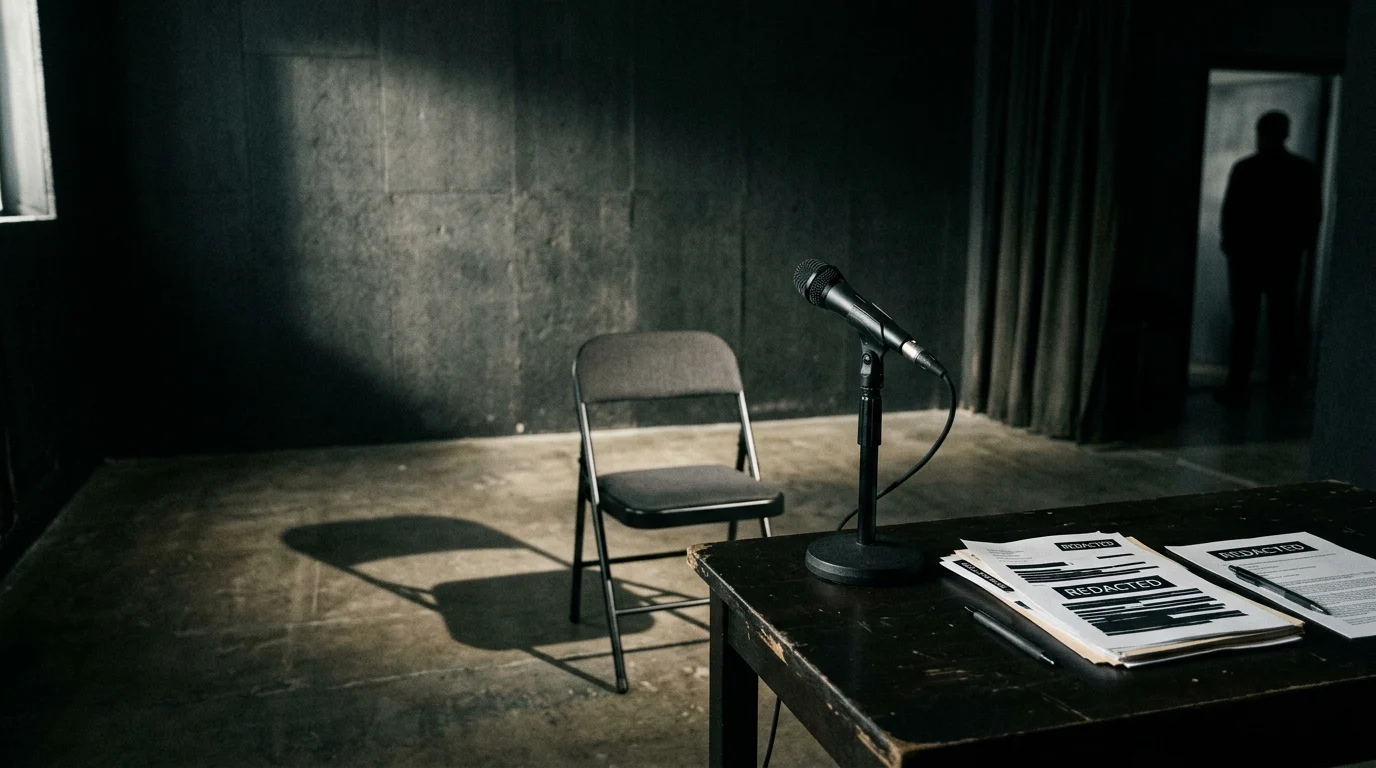
The film’s central narrative relies on testimony from 24 anonymous whistleblowers describing targeting practices in Gaza. These insiders describe a shift toward what they characterize as industrial-scale targeting. Among the most significant claims is an allegation that the IDF approved a single strike against a Hamas target while anticipating up to 500 civilian casualties.
The IDF Response and Factual Disputes
The IDF’s detailed response, released just 24 hours ago, characterizes the film as “distorted” and asserts that it contains “substantial factual errors.” Military officials specifically denied the claim that an approval for 500 civilian deaths for a single target was ever granted. The rebuttal argues that the film misrepresents the “professional” application of Nezek Agavi, which the military maintains is governed by international law and rigorous internal vetting.
The documentary also links these casualty figures to the use of AI-powered targeting systems, such as the “Lavender” system. These tools are designed to process massive datasets to identify potential combatants, but whistleblowers in the film allege that the speed of AI-assisted warfare has outpaced human oversight, leading to broader definitions of “collateral damage.”
Political Repercussions and Legal Threats
The reaction within the Israeli government has been swift. Culture Minister Miki Zohar has publicly denounced the filmmakers, calling for Yuval Abraham and Rachel Szor to be stripped of their Israeli citizenship. Zohar categorized the film’s production and the sharing of internal military practices as “treason.”
According to the Venice Biennale, the film participates in a tradition of investigative cinema, though its reliance on anonymous sources has made its claims difficult for external bodies to verify independently.
The 10-page IDF document remains the military’s most comprehensive attempt to date to address the specific technical and legal points raised by the whistleblowers. While the military admits to the use of advanced data systems, it continues to contest the “industrial-scale” killing described by the film’s anonymous sources.

