





The Director-General of the International Atomic Energy Agency, Rafael Grossi, confirmed on Sunday that the start of monitoring operations in Iranian nuclear facilities will be within days and very soon, noting that negotiating over uranium found in undeclared Iranian sites will require time.
He said in a press conference after returning from Tehran, “My visit today resulted in resolving the break in communication with Iran,” hinting that the settlement reached on Sunday between Iran and the IAEA regarding the control of the nuclear program “gives time for diplomacy.” Referring to the Vienna negotiations to save the international agreement on Tehran’s nuclear program..
He also called on the new Iranian government to abide by previous agreements or provide alternatives, and continued, “We have all the technical means we need to continue obtaining information on the issue. Monitoring in Iran.”
The agency announced earlier today, in a joint statement, with the head of the Iranian Atomic Energy Organization, Mohammad Eslami, that the Iranian authorities had agreed to allow international inspectors to maintain specific monitoring equipment and replace memory cards. own at a number of nuclear sites. However, it clarified that it has not yet obtained access to the cameras’ recordings.
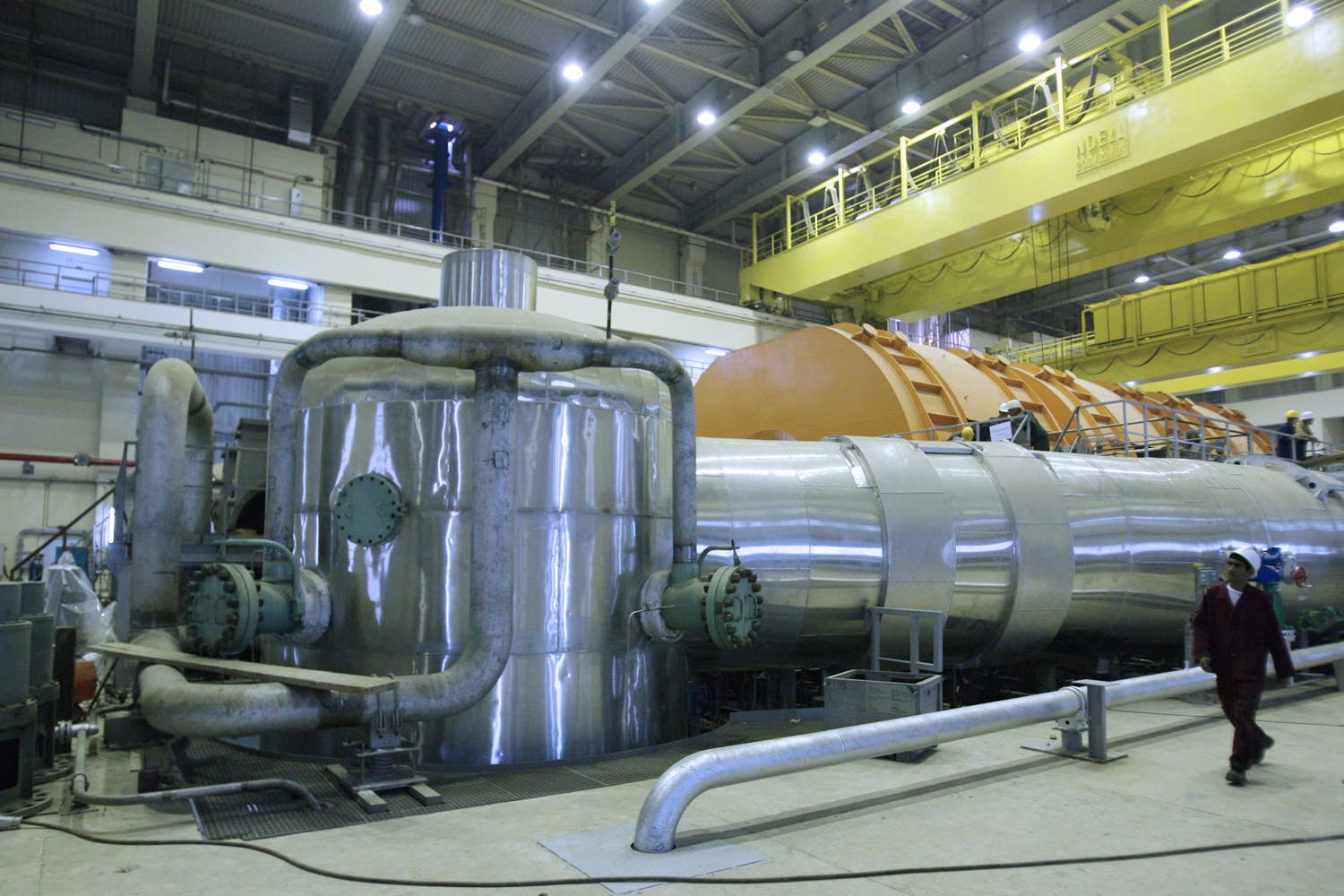
Surveillance Cameras
Accordingly, Tehran has kept the Agency’s surveillance cameras operating in some locations Nashaat al-Nawawi, but with keeping its records, confirming at the time that it will hand over the recordings if Washington lifts sanctions by the end of the agreement’s deadline, or will erase them completely if they are not lifted.
The agreement was extended for three months, then extended for an additional month Later it ended on June 24, but no subsequent response or development took place in this regard.
Therefore, the agency’s report a few days ago was strict, as it confirmed, according to what was reported by Agence France-Presse, that since February 2021 , verification and monitoring activities witnessed a new obstruction in light of Iran’s decision to “limit inspections.”
It should be noted that the talk about the fate of this technical agreement came at a time when Tehran and the countries that are still affiliated with the agreement are engaged in The nuclear program, with indirect US participation, held talks in Vienna in an effort to revive the 2015 agreement, but they have been suspended since last June, amid international calls, especially by Europe and Russia, to resume it.

