





Tunisia is considering reviewing the free trade agreement with Turkey or even canceling it, after its economy was damaged by it, as the trade deficit reached more than one billion dollars, in order to protect domestic production and reduce the falsity of hard currency.
(In this context, the Minister of Trade, Mohamed Boussaid, revealed in an interview with a local newspaper that his country is working to review that agreement, in an attempt to protect national production, considering that the trade balance was unfavorable to Tunisia.
The Director of Cooperation with Europe at the Ministry of Trade and Export Development, Nabil Al-Arfawi, said in a statement to Radio “Mosaic”, today, Friday, that a meeting is expected to be held in the coming weeks with a Turkish delegation that will be devoted to evaluating the agreement 16 years after its entry into force. He stressed that reviewing it has become an urgent matter in view of the high trade deficit of Tunisia with Turkey, which amounted to 2500 million dinars, which represents the third largest trade deficit for Tunisia after China and Italy.
He also indicated that the Turkish delegation insisted that The meeting will be in attendance, adding that negotiations will be open to amending the agreement or even canceling it, and this will be based on what the talks will produce. As well as Tunisian merchants, it calls for the necessity of freezing the free trade agreement in force with Turkey and opening negotiations to establish a new agreement that takes into account the principle of balancing economic interests between the two countries.
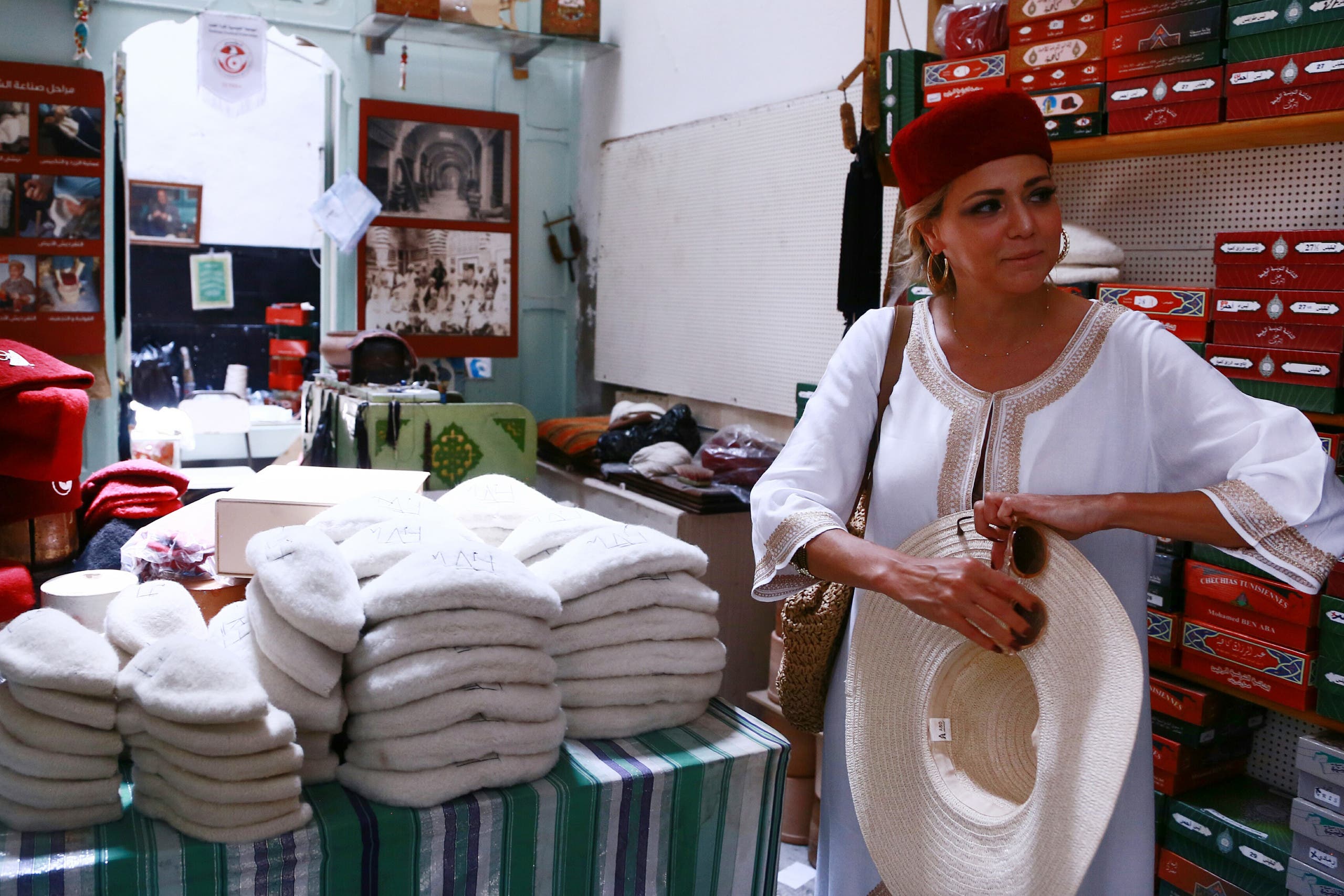
Tunis Markets (France Press)
Al-Nahda and “Made in Turkey”
It is indicated that although the agreement is signed In 2005, however, since the fall of the regime of President Zine El Abidine Ben Ali in 2011, and the rise of the “Ennahda Movement” to power, the nature of the economic relationship between Tunisia and Ankara raises many questions, after witnessing Trade exchanges caused an unprecedented deficit in favor of the Turkish economy, and opened the Tunisian markets to Turkish goods, especially in the field of food and consumer industries, the textile sector, household appliances and other materials that are manufactured in Tunisia with better quality, as well as for Turkish companies to monopolize the largest share of major deals, which caused exhaustion The economy, hitting local production and the bankruptcy of Tunisian companies, amid calls for the need to review trade agreements with Ankara, which benefited from amendments made to the free trade agreement signed between the two countries during the era of former President Zine El Abidine Ben Ali, which granted it tax privileges.

