





The Philippines is moving to deepen its unofficial diplomatic and security ties with Taiwan, signaling a strategic shift in how Manila interprets the “One-China” policy. This month, the Philippine government facilitated the acquisition of a Taiwanese patrol vessel and confirmed plans for a second Taiwanese representative office in Cebu, explicitly asserting its right to define its own foreign policy despite protests from Beijing.
Taiwanese Foreign Minister Lin Chia-lung confirmed on September 15, 2026, that preparations to open the Cebu trade office are proceeding smoothly. The expansion follows the relaxation of travel restrictions for Philippine government officials visiting Taiwan. Under Memorandum Circular 82, issued in April 2025, most officials may now travel to Taiwan for economic purposes using ordinary passports, provided they avoid using official titles and coordinate with the Manila Economic and Cultural Office (MECO). This freedom of movement excludes the President, Vice President, and top cabinet secretaries.
Philippine Defense Secretary Gilberto Teodoro Jr. recently addressed the growing friction with China regarding these ties, stating that the Philippines defines its own One-China policy and that external powers should not interfere in how Manila manages its regional interests. This stance has been met with opposition from Beijing; Chinese Foreign Ministry spokesperson Guo Jiakun urged the Philippines to adhere to the “One-China Principle” and formally protested the announcement of the Cebu office.
Maritime Cooperation and the WPS Foundation
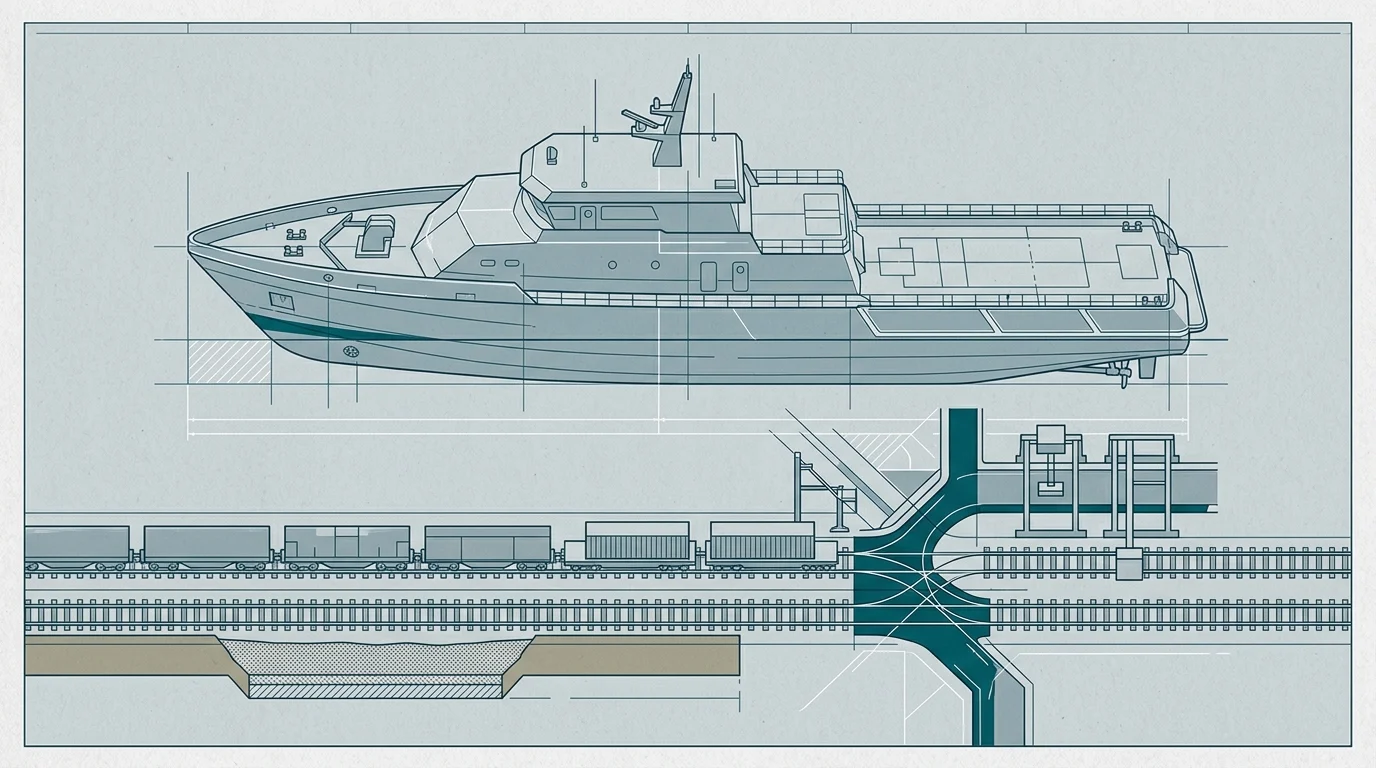
The strengthening of ties has extended into maritime security through non-governmental channels. In late September 2026, the Philippine Coast Guard (PCG) received a decommissioned 500-tonne Kinmen-class patrol vessel (CG-125), formerly known as the Lienchiang, from Taiwan’s Coast Guard Administration. To mitigate direct state-to-state diplomatic friction, the transfer was facilitated through the “WPS Foundation,” a non-governmental intermediary.
The vessel, now registered as BLINGNO.1, was officially handed over during a ceremony on September 21, 2026, at the PCG national headquarters in Manila. This transfer precedes a planned 2027 “goodwill mission” by the Taiwanese Coast Guard, which would mark the first high-profile visit of a Taiwanese maritime law enforcement vessel to the Philippines since 1974.
Integration with Regional Economic Corridors
The burgeoning relationship is also being integrated into broader security and economic architectures supported by the United States and Japan. According to reports from the Taiwanese Foreign Ministry, the proposed Taiwan-Philippines Economic Corridor is intended to link with the Luzon Economic Corridor, a trilateral infrastructure initiative between the U.S., Japan, and the Philippines.
This economic alignment was a focal point of the Luzon Economic Corridor Investment Forum held on September 10, 2026. Taiwanese firms are reportedly seeking roles in major infrastructure projects under this umbrella, including the Subic-Clark-Batangas railway. By anchoring Taiwan-Philippine trade to these multilateral projects, Manila appears to be decoupling its economic and maritime security needs from Beijing’s diplomatic constraints, prioritizing the protection of its interests in the West Philippine Sea and the development of its domestic industrial capacity.

