

















The study utilized a non-invasive technique called Temporal Interference Stimulation (TIS) to reach the deep brain structure of the striatum. Temporal Interference (TI) stimulation can modulate deep brain regions without the need for invasive surgery like Deep Brain Stimulation (DBS).
The striatum is a deep-seated region of the brain central to the reward system. While it was previously understood to influence physical vigor—such as the strength used to grip an object—the latest research utilized TIS to target this deep brain structure.
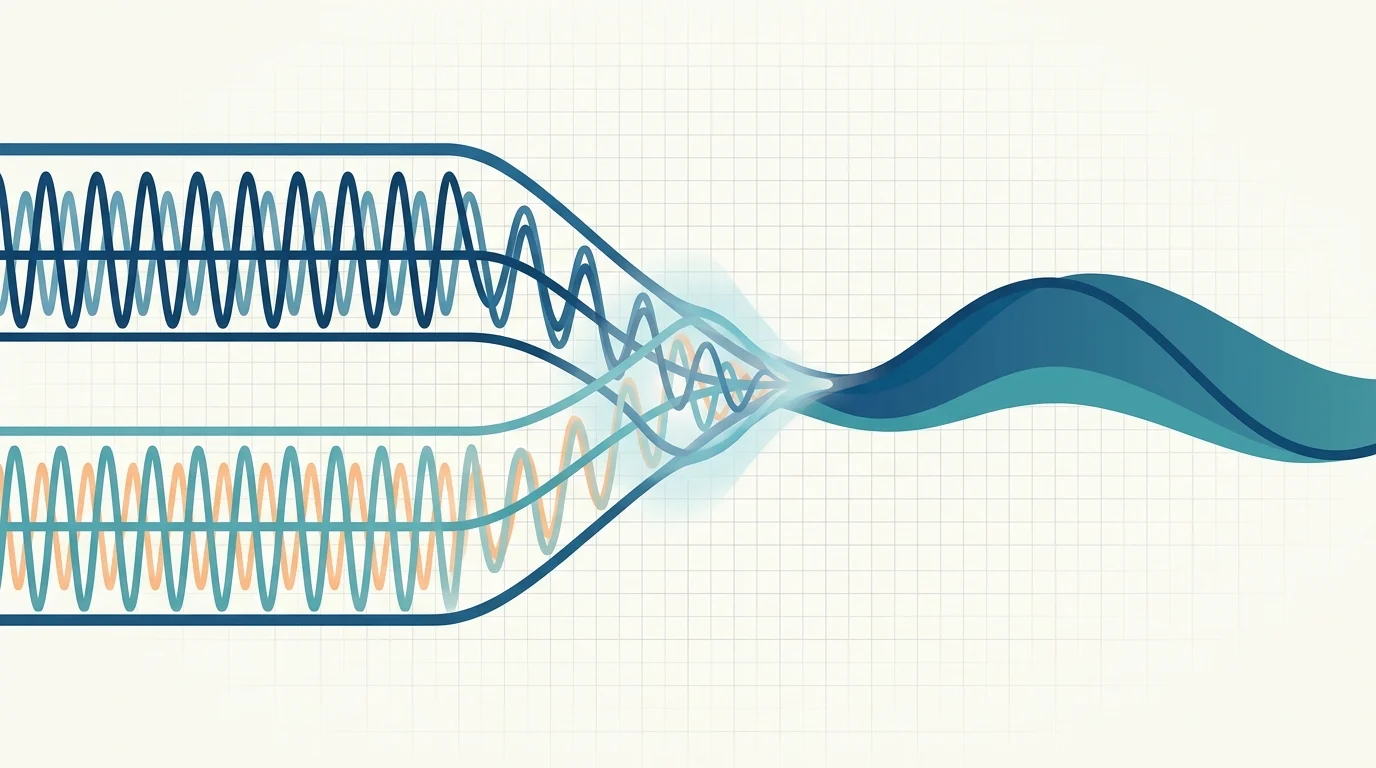
How Temporal Interference Reaches the Deep Brain
The primary hurdle in deep brain modulation has traditionally been accessibility. Standard non-invasive methods, such as Transcranial Magnetic Stimulation (TMS), generally cannot reach deep structures like the striatum without over-stimulating the surface-level cortex. Conversely, Deep Brain Stimulation (DBS) is effective but requires the surgical implantation of electrodes.
Temporal Interference Stimulation overcomes this by applying two high-frequency electrical fields from outside the skull. These frequencies are too high to activate neurons on their own, but they are set at slightly different intervals. Where the fields overlap deep within the brain, they create a low-frequency “interference” pattern. This specific interference can be tuned to mimic natural brain communication, such as “theta-burst” patterns, to influence neural activity at depth.
This technique builds on established research from the Wessel and Hummel labs, which previously utilized Nature Neuroscience findings to demonstrate that TIS could enhance motor skill learning by targeting the striatum.
Clinical Implications for Apathy and Burnout
While the technology is currently used in a controlled research setting, the successful non-invasive modulation of the striatum provides a blueprint for future clinical tools. Unlike surgical interventions, TIS could eventually offer a non-invasive option for patients, though further trials are required to determine the long-term effects of repeated stimulation.

