





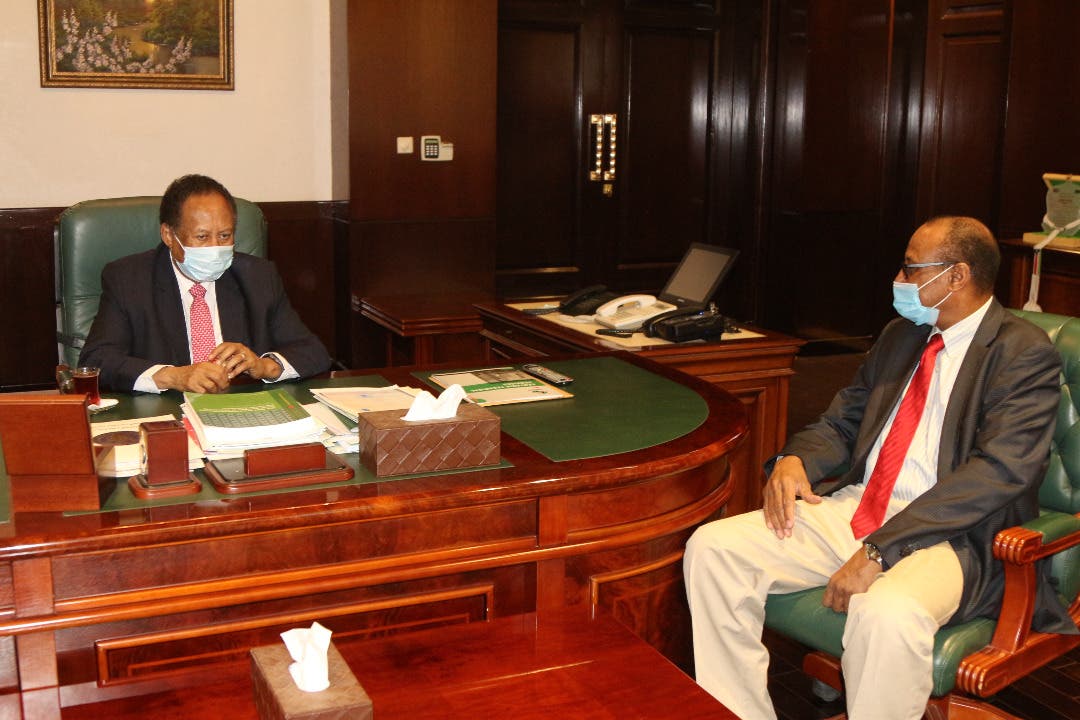
After signing the political agreement in the capital, Khartoum, Sudanese Prime Minister Abdullah Hamdok began his duties, on Sunday, in his office at the Presidency of the Council of Ministers.
Hamdok was The Army Commander and Head of the Sovereign Council, Abdel Fattah Al-Burhan, had signed a political agreement earlier on Sunday, according to which Hamdok was returned to his position as Prime Minister. The signing ceremony took place at the presidential palace in Khartoum.
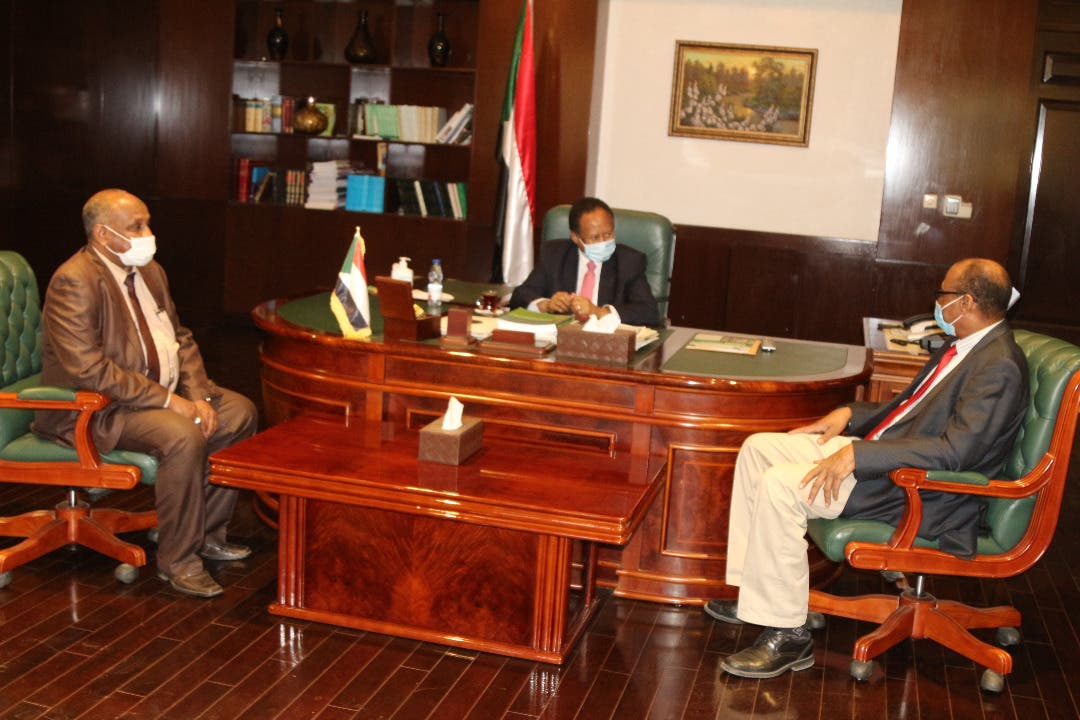 Hamdok in his office
 Terms of Agreement
The agreement also stipulated the start of a dialogue between all political forces to establish the constitutional conference, expedite the completion of all transitional government institutions, and release all political detainees, after weeks of turmoil and demonstrations in the streets of Khartoum in protest against the measures taken. The army, which was imposed on 25 October last, led to the dissolution of the government and the former Sovereign Council, as well as the suspension of a number of committees, the provisions of the constitutional document as well, and the imposition of a state of emergency. For a transitional period, provided that the partnership in governing the country remains with the military component, through the Sovereignty Council, before any subsequent power is handed over to civilians.
From the signing ceremony of the political agreement in Khartoum (France Press)
Feedback
To that, the reactions about these developments rolled. The Sudanese Professionals Association launched a stinging attack on the political agreement, describing what happened today as “treason.” “Totally rejected, and it concerns only its parties.”
For its part, the Forces of Freedom and Change coalition said that it does not recognize any political agreement with the army.
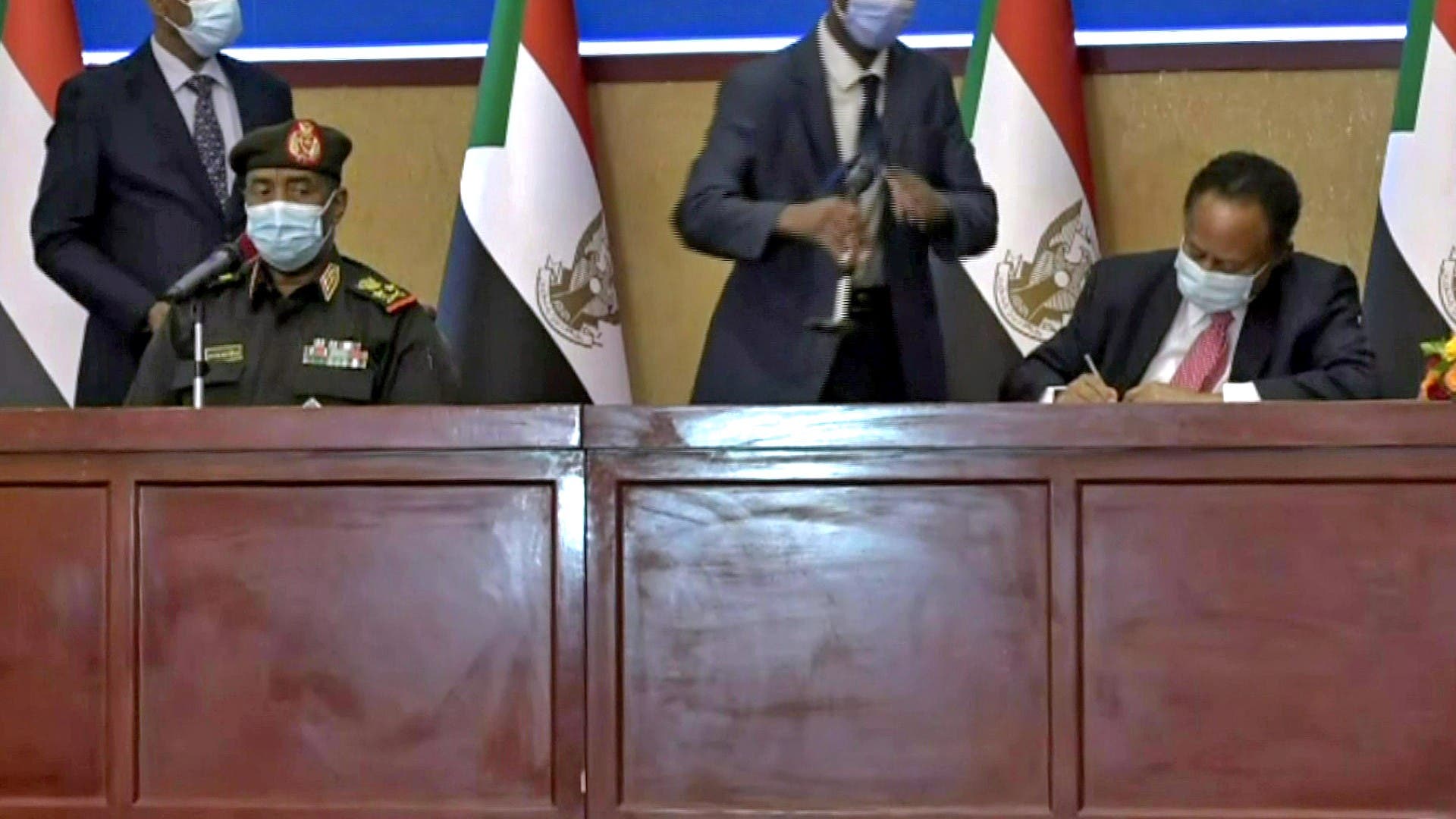 From the signing ceremony of the agreement in Khartoum (AFP)
He also added in a statement on his Facebook page: “We are committed to the usual pacifism, to the specific field paths of the resistance committees, and to unity behind the national goals,” stressing that no Negotiating or partnering with the army leaders.
In turn, the Umma Party’s spokesperson, Al-Wathiq Al-Barer announced in a statement, “The party rejects any political agreement that does not discuss the roots of the current crisis in the country,” stressing that “we will not be a party to the conflict.” In any agreement that does not meet the aspirations of the revolutionaries and the Sudanese people,” according to “Reuters.”
The agreement also stipulated the start of a dialogue between all political forces to establish the constitutional conference, expedite the completion of all transitional government institutions, and release all political detainees, after weeks of turmoil and demonstrations in the streets of Khartoum in protest against the measures taken. The army, which was imposed on 25 October last, led to the dissolution of the government and the former Sovereign Council, as well as the suspension of a number of committees, the provisions of the constitutional document as well, and the imposition of a state of emergency. For a transitional period, provided that the partnership in governing the country remains with the military component, through the Sovereignty Council, before any subsequent power is handed over to civilians.
Feedback
To that, the reactions about these developments rolled. The Sudanese Professionals Association launched a stinging attack on the political agreement, describing what happened today as “treason.” “Totally rejected, and it concerns only its parties.”
For its part, the Forces of Freedom and Change coalition said that it does not recognize any political agreement with the army.
He also added in a statement on his Facebook page: “We are committed to the usual pacifism, to the specific field paths of the resistance committees, and to unity behind the national goals,” stressing that no Negotiating or partnering with the army leaders.
In turn, the Umma Party’s spokesperson, Al-Wathiq Al-Barer announced in a statement, “The party rejects any political agreement that does not discuss the roots of the current crisis in the country,” stressing that “we will not be a party to the conflict.” In any agreement that does not meet the aspirations of the revolutionaries and the Sudanese people,” according to “Reuters.”

