





A recent health report revealed some foods that you should avoid excessively because they are one of the factors of heart attacks. And according to what was published by the British “Express” website, the risk of heart attack is often directly related to the patient’s diet, so you should choose beneficial foods that provide you with energy and provide your body with the necessary nutrients, and avoid harmful foods. The report that a heart attack is a medical emergency during which the blood supply to the heart is suddenly blocked, resulting in a blood clot, so you must make sure that your diet is healthy for the heart, and avoid foods that lead to high blood pressure.
Among those foods that excessively increase the risk to the heart:
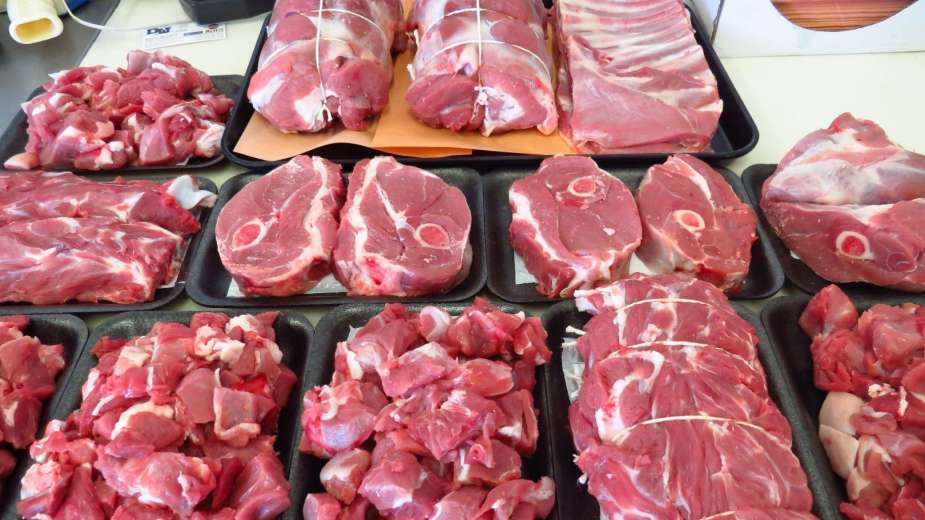
1) red meat
Eating a lot of beef and lamb may increase the risk of heart disease and diabetes, and the reason for this may be that red meat contains a high percentage of saturated fat, which can increase cholesterol. , so if you have to follow a red meat diet, try to limit your daily portion.
You can also eat lean cuts like beef Round beef and lean beef steaks.
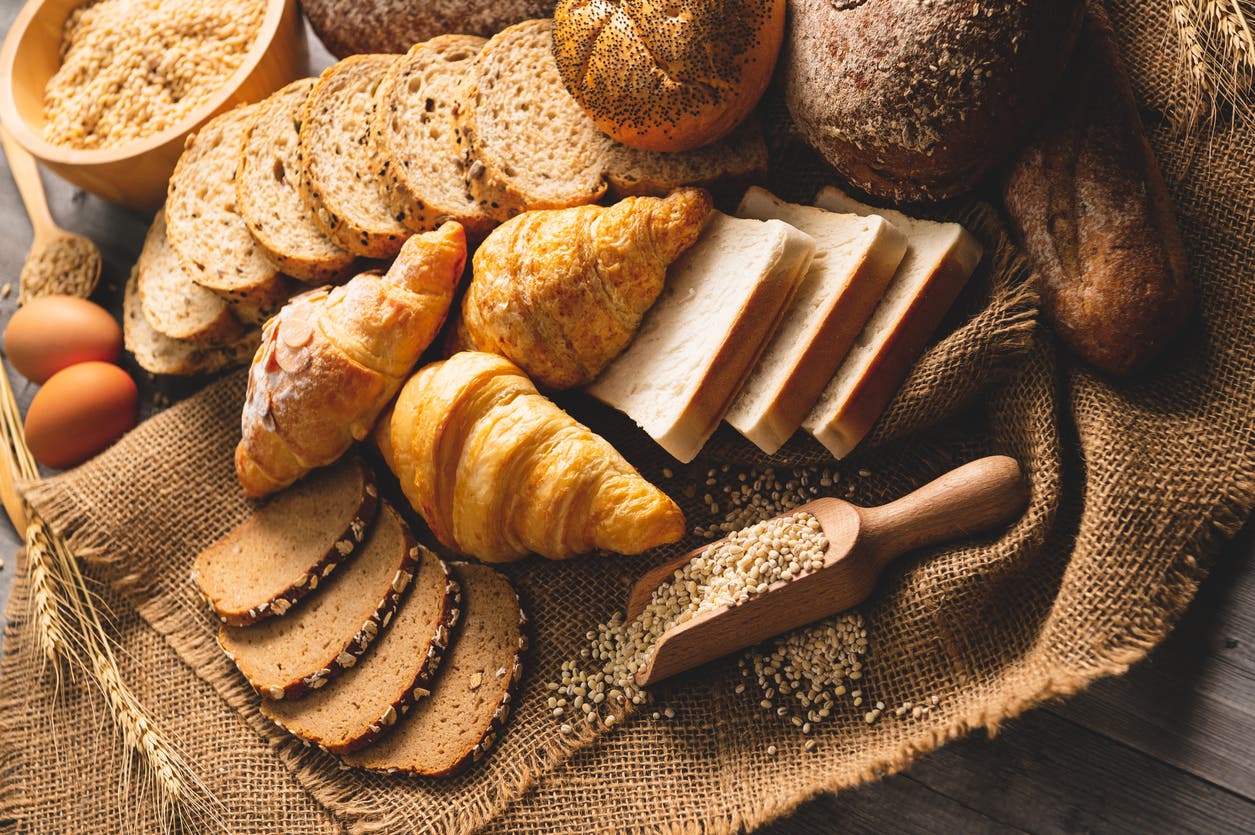
Bakery and Pastry
You should pay attention to the risks of excessive consumption of baked goods and pastries, such as cakes and baked goods that contain large amounts of added sugar, which leads to weight gain, and is also linked to higher levels of triglycerides, and this can lead to diseases Heart.
The dangers of baked goods are that their main ingredient is white flour, which can spike your blood sugar and make you feel hungry. You can substitute whole wheat flour and use liquid vegetable oils instead of butter or ghee.
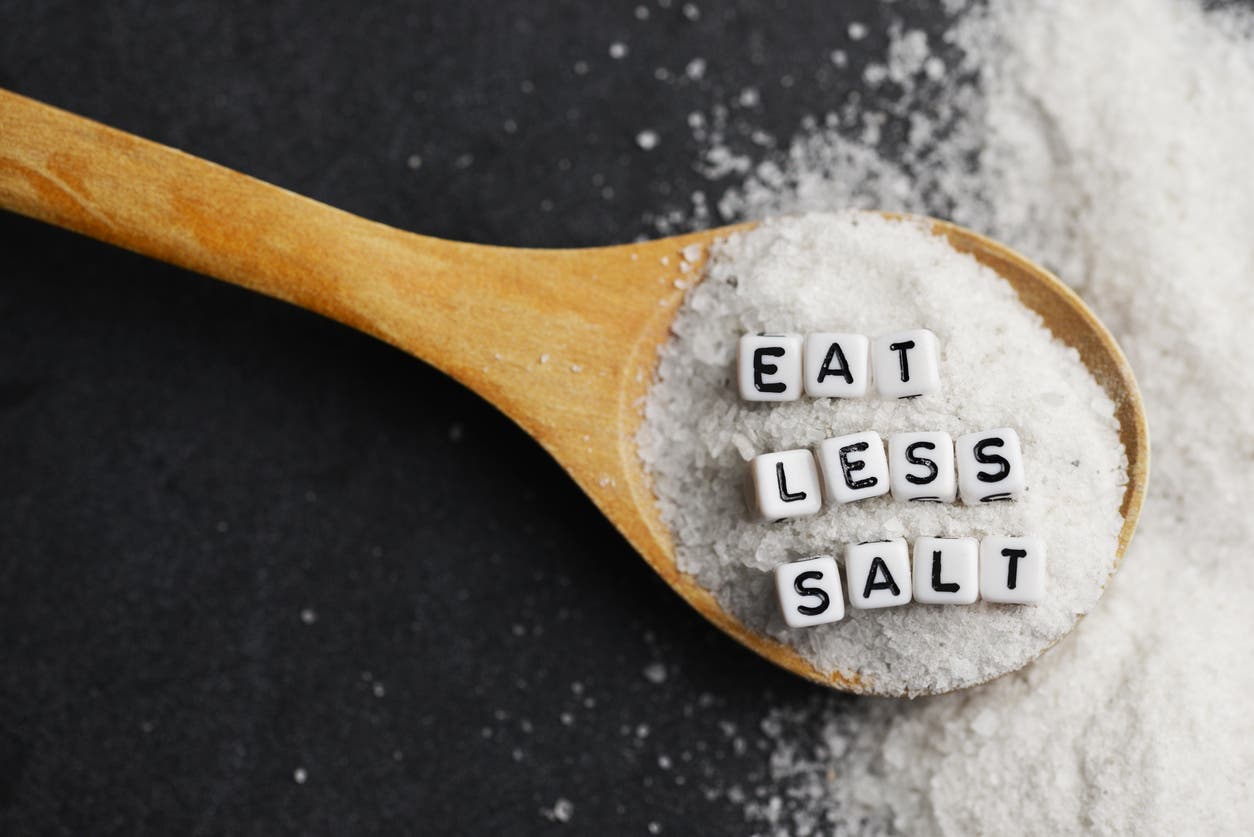
3) Salted foods *) Eating large amounts of sodium, the main component of salt, can lead to stroke, heart disease and heart failure. You should also avoid eating added preservatives and saturated fats and avoid trans fats found in hydrogenated oils, Saturated fats should not constitute more than 6% of the total daily calories.
The report also identified some foods that help you maintain a healthy heart:
1. Fruits and vegetables 2. Lean meats 3. Skinless poultry 4. Nuts, beans and legumes 5. Fish 6. Cereals
7. Vegetable oils such as olive oil
8. Low-fat dairy products

