





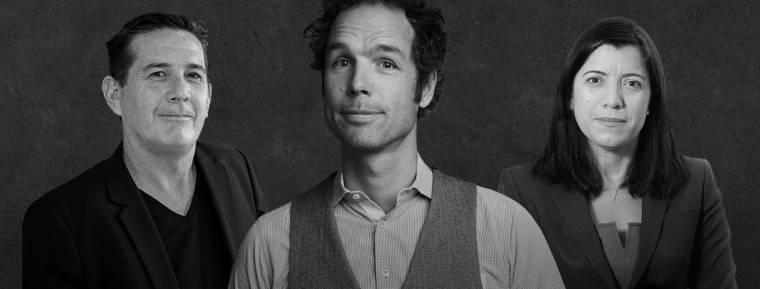
Marina Bellini, BAT Digital Technology and Information Director, Thimon de Jong, a social psychologist, and Tim White, Head of Fujitsu Global Services, exchanged views on Fujitsu podcast, how hard it is to stand out from the crowd in a transformed environment.
As the vaccination program becomes more advanced in many regions of the world, organizations are becoming more optimistic. However, the pandemic has fundamentally changed the way we work and it is unlikely that we will ever return to our habits before January 2020.
What forecasts can we make from the responses to previous crises and what lessons can we learn? should organizations deduct after this challenging period?
In preparation for reopening society, social psychologist and business strategist Thimon de Jong, founder of the Whetston think tank, believes it is worth drawing some lessons from the past. “In a crisis, people take less risk and spend less because the future feels uncertain,” the expert pointed out in Fujitsu’s recently recorded Dear Director podcast and virtual discussion night. “But when society reopens, these trends are reversed and people start compensating.”
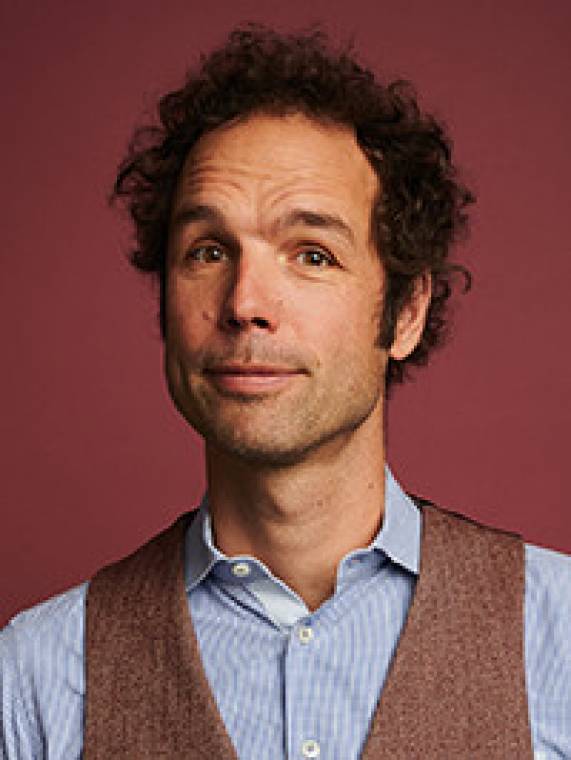
Thimon de Jong, social psychologist, founder of Whetston Consulting
As a result, there is a tendency to spend and we tend to have more in our professional and personal lives. to take a risk. “Of course, the craze doesn’t last for a decade. Depending on which part of the world we live in, there will be a 6-12 month recovery.”
Seeing such predictions, many companies have wondered how can remain responsive and agile in the post-crisis world. Marina Bellini, BAT’s director of digital technology and information, explained why it is important for large companies to continue to be able to make quick decisions with limited information – something they often needed even during a pandemic. “If every decision has to go through the whole hierarchy and a lot of data analysis is needed, the organization will be paralyzed. And this cannot be afforded by companies that are just trying to transform in order to better serve consumers and society.”
The new “glocal” model
Covid19 The supportive role of polar convenience stores and local services has been strengthened during the closures and regional tightening due to “Globalization stays with us as e-commerce giants, for example, thrive, but at the same time, the pandemic has taught us to value the local community better,” Thimon de Jong pointed out. This has changed an important aspect of consumer behavior, and this change is unlikely to disappear with the closure.
Tim White, Fujitsu’s corporate vice president, vice president and global service manager, said: ” Local things have become more popular and the sense of responsibility for the local community has increased. But it is still expected that services will be provided in a global way. “
This duality gives a new meaning to” glocal “. Marina Bellini perceives at BAT. “We used to think that all consumers were the same , but they are actually very different. And we have to serve them differently. “
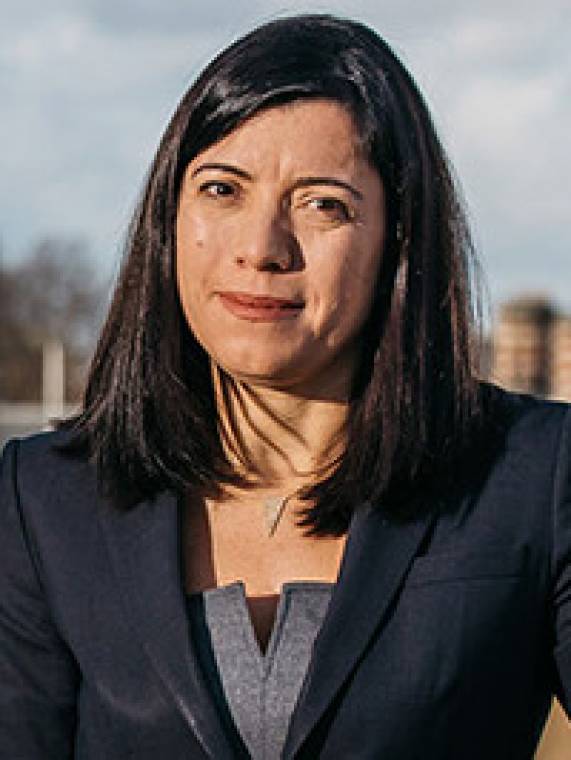
Marina Bellini, BAT Digital Technology and Information Director
Although BAT previously assumed that geographically close markets were very similar, in 180 markets recent product launches have shown that there are far fewer similarities than expected, while Marina Bellini has discovered similarities in distant markets such as Japan and Chile. “Combining globalization and localization together makes it much more difficult to identify customer groups previous synergies simply no longer exist, “he explained.
” I think we need to be prepared to serve our customers much more sophistically. Some global trends are intensifying, but at the same time we are witnessing the emergence of a new level of hyperpersonalization due to individual expectations. “
Goal setting
Despite the growing importance of the local community, all three leaders agree on the need to follow universal standards for sustainability and the social goals of organizations.
“Purposefulness foreshadows success,” said Tim White, “It shows that a company has a role to play in society at large.” Social purposefulness is becoming increasingly important in both internal and external operational processes. ” people are keen to work with organizations that are purposeful and make a meaningful contribution to the well-being of society, “he explained, referring to Fujitsu’s own goal:” We want to make the world a more sustainable place by building social trust based on innovation. “
Tim White also leaves Fujitsu said it was related to Fujitsu ‘s trade partnerships: “We need to ensure the resilience and stability of our customers. Through stability, they can enter more innovative areas – which is business-critical for us. “
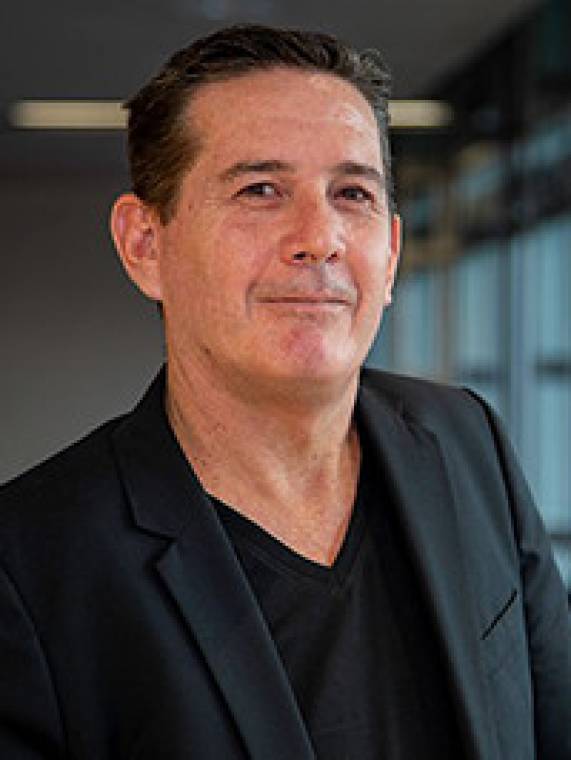
Tim White, Deputy CEO, Vice President, Head of Fujitsu’s Global Services Group
This approach is essential for a company to get through the difficulties. ”In all our areas of operation, we need to see very clearly the goal we want to achieve. The next 6-12 months will not be easy, but with a focus on purpose, we can move beyond that period, “said Marina Bellini.

